
北京房价均降1万
China publishes world’s first comprehensive dictionary of ancient bamboo and silk manuscripts_我的网站

一 |
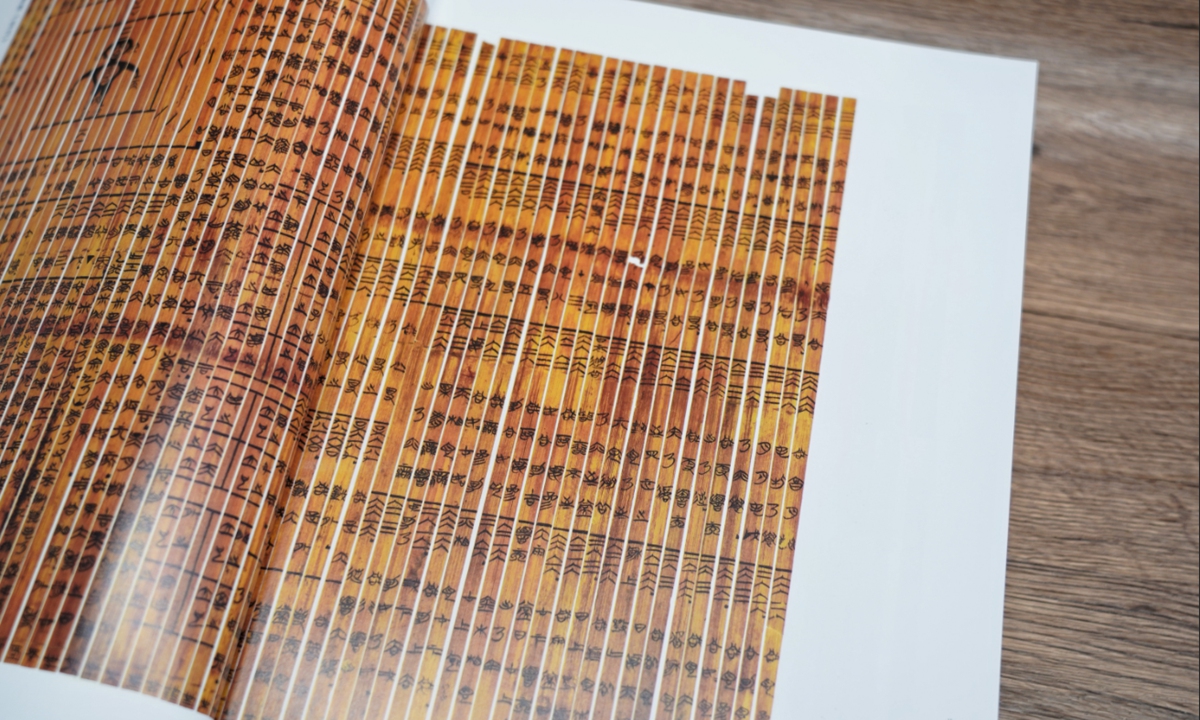
Published by the Shanghai Lexicographical Publishing House, the Dictionary of Bamboo and Silk Manuscript Studies is the world's first large-scale, authoritative lexicon to fully systematize global research on China's ancient bamboo slips, wooden tablets and silk manuscripts, the publishing house told the Global Times on Monday.
"Before paper was widely adopted, bamboo and wooden slips were China's most crucial carrier of writing, bearing the inheritance of Chinese civilization for thousands of years," Feng Shengjun, chief editor of the dictionary and vice president of the Chinese Society for the Study of Ancient Writing, told the Global Times.
"Major excavations of bamboo and silk relics have always been groundbreaking events in academic circles. By sorting out and interpreting these precious unearthed documents in a standardized dictionary form, we make the historical development of Chinese civilization clearer and more complete," Feng added, underscoring the book's foundational academic and cultural value.
The dictionary contains more than 9,000 entries and over 600 color illustrations and images. Entries cover the theory of bamboo and silk manuscript studies, excavated texts, manuscript forms and institutions, scholars and works, and preservation and research.
Before paper became widespread, bamboo and wooden slips, along with silk fabrics, were the principal writing materials in China. Originating in the early 20th century with the discovery of Dunhuang bamboo relics, the field has evolved into an internationally recognized scholarly frontier. It integrates archaeology, ancient history, legal systems, paleography, document conservation and multiple other sectors, fueled by successive landmark discoveries including the Shanghai Museum bamboo texts, Tsinghua University bamboo slips, Yuelu Academy Qin Dynasty (221BC-206BC) manuscripts and the famed Mawangdui silk documents, said the publishing house.
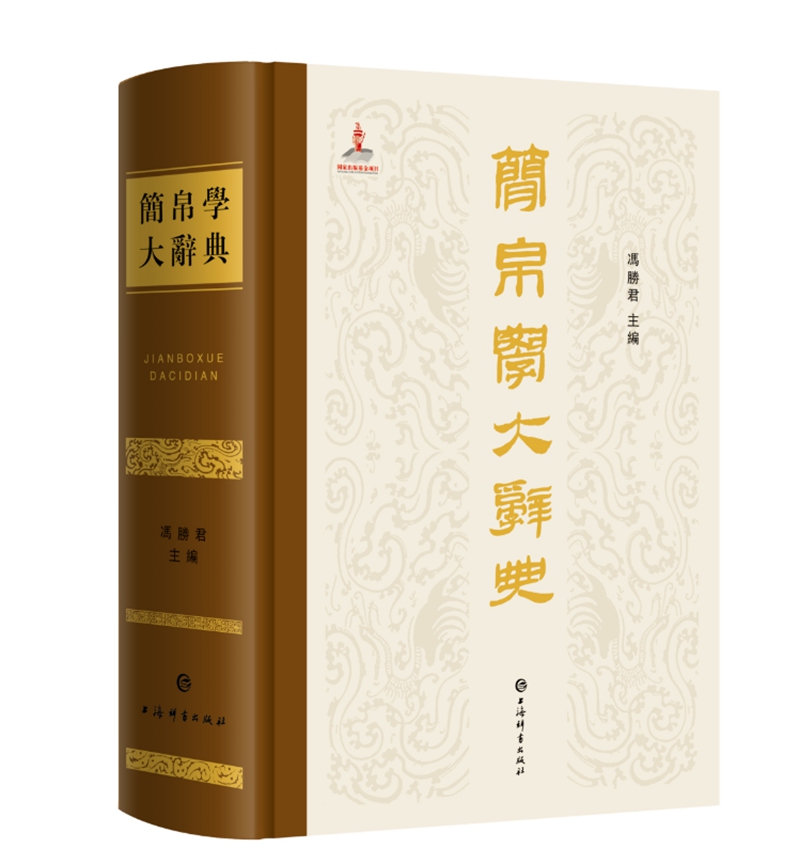
Zhao Hang, editor at the publishing house, told the Global Times that the volume comprehensively incorporates research achievements and academic works by Japanese and South Korean scholars, making it an important resource for foreign scholars who study bamboo and silk manuscripts.
It is intended for specialists, early-career researchers and general readers interested in early Chinese history. The entries range from theoretical concepts to biographies of leading scholars and descriptions of major excavation sites, with cross-references designed to help readers move across disciplines.
Feng said the volume will support research into the politics, laws, economics, military affairs, thought, science and technology, ethnic groups and social life of ancient China. It will also help standardize terminology across different scholarly traditions.
The publication is part of broader state-backed efforts to advance ancient script research and document the continuity of Chinese civilization. It aims to help make texts written more than 2,000 years ago "core material evidence" for interpreting a continuous 5,000-year Chinese civilization. For the field, it added, the dictionary is a landmark in a century of bamboo and silk manuscript studies.
。 秋风送爽,硕果累累。新宾满族自治县平顶山镇下青村的大榛子种植基地一派丰收景象,一簇簇榛子又大又圆,挂满了枝头,为当地农户带来了实实在在的收益和满满的幸福感。

二 | 走进新宾平顶山镇下青村李海家的大榛子种植园时记者看到,一片片翠绿的榛子林在阳光下熠熠生辉,成熟的榛子沉甸甸地挂在枝头,散发着诱人的香气。夫妻俩正忙碌地穿梭在林间,采摘已经成熟的榛子,脸上洋溢着丰收的喜悦。 据了解,自打种植榛子开始,李海一直潜心研究种植技术,通过引进优质品种、加强技术培训和学习科学种植管理方法,不断提升榛子品质。多年来,鲜香的榛果已经成为李海增收致富的“金豆子”。

三 | 目前他家的种植园里栽植了“长毛”“玉坠”“达维”等榛子品种,其中“长毛”的产量最高、果实饱满。 新宾平顶山镇下青村榛子园负责人李海说:“榛子9月初开始成熟,大概半个月的时间采摘结束。粗略算了一下,能卖5万多块钱,经济效益还是很可观的。” 大榛子的丰收不仅丰富了李海的“果篮子”,更鼓起了他的“钱袋子”。同时,大榛子种植产业的发展还带动了相关产业链的延伸发展,为当地提供了更多的就业机会和创业空间。李海用自己的勤劳的双手创造了美好生活,也为新宾乡村振兴战略的深入实施贡献了自己的力量。 责任编辑:李丹。
Current article:http://www.ninyakenhongnian.sbs/ii81e/b4iaqjf.doc
Published on:05:31:44
王者荣耀_Random reading
- 08-21陆慷离任回国
- 08-20年终奖似乎不见了:富士GFX 100第一批工程样机曝光
- 08-20对话软通动力霍宇:Token市场爆发,B端才是真正的“主战场”
- 08-23国家能源局召开第二届中国—国际可再生能源署合作专项工作组启动会
- 08-25Biden calls Truss’s tax cut plans ‘mistake'’
- 08-26Iranian FM condemns Biden's remarks on recent protests in Tehran
- 08-24【研报观点】8月26日氧化铝最新观点汇总
- 08-20Japan's exports rise and imports decline in September
- 08-26러시아 와일드베리스 화재
- 08-23奖励一个联盟第一+输51分!记者:灰熊若没进季后赛 能保住首轮签

4399_Active users
- 강원도 산업용 전기요금 8% 인하…정부·한전 지역 요금제 공개
- 名宿声明:FIFA现任管理层治下的足球运动正在背离其核心价值观
- 铁林:詹姆斯很自律但他未必像科比一天四练 这是科比的特别之处
- 手机App为何越来越膨胀?微信当初只有0.5MB 如今膨胀556倍
- China achieves mass production of advanced specialty steel across multiple sectors
- 北京首条跨省地铁空载试运行:燕郊到东三环仅需20多分钟
- 记者走访上海虹桥国际中央商务区多家企业——外贸活力在这里持续迸发(经济聚焦)_贸易_发展
- 奇異稱「王」稱霸
- “又没打领带”,外交部发言人汪文斌这样解释
- 광주고등법원에 "사제폭탄 폭파 예고" 메일…수색 중
- 假5g,带4g
- DHS office that counters nuclear weapons could close if Congress doesn’t act by December
- 조치원역 유휴 공간→지역상품 판매장…'조치원ㄱ' 개소
- 共享聚势 数智赋能——张家口市探索特色产业集群跃升新路径
- 今年内再投用21座充电场站 云霄加速织密城乡绿色出行网
- 采用最新家族式设计 全新奥迪Q5L内饰谍照曝光 预计年内上市
- Truss resigns as UK PM, sets off another Tory race
- "현대차 총주주환원율 35% 이상...최소배당금 1만 원"
新白娘子传奇_Hottest this week
- 北京房价均降1万 copyright
- Some of the content comes from the Internet. If you have any offence, please raise it.