
一 | 2024年7月2日,新加坡律政部政务部长穆仁理代表律政部长在国会答复阿裕尼集选区议员林瑞莲有关洗钱案涉案人员被遣返回国后接受进一步起诉的相关问题。 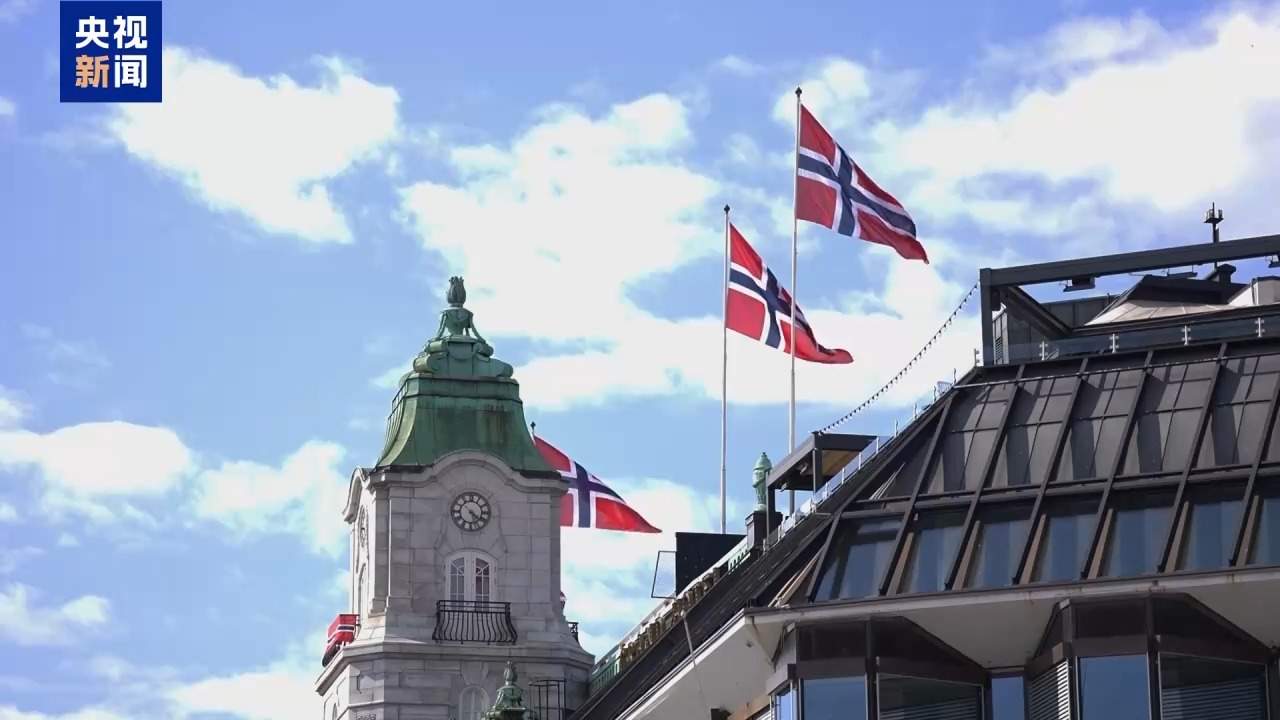 挪威政府当地时间25日说,计划对智能眼镜及同类设备的使用实施监管,考虑禁止这些设备在公共场所启动人脸识别功能。 挪威数字化与政府管理大臣卡丽安娜·通在一份声明里说:“我们注意到,民众的私人生活及隐私正受到新技术的冲击,因此我希望对智能眼镜及同类设备实施比现行更为严格的监管。以下内容为新加坡眼根据国会英文资料翻译整理: 林瑞莲(阿裕尼集选区议员)女士询问新加坡律政部长:对于那些因参与数十亿新元洗钱案而在新加坡被定罪的人,其他国家政府是否向新加坡当局表示,这些罪犯被遣返回本国后将面临对相关上游犯罪的调查。”
她表示,这可能意味着禁止智能眼镜在公共场所启动某些功能,例如人脸识别。她还呼吁公共部门和私营领域自行制定相关使用规范。 挪威消费者委员会数字政策负责人芬恩·吕措-霍尔姆·米尔斯塔德对上述表态表示欢迎,称“(智能眼镜)这类设备存在极大的滥用风险”。 智能眼镜可拍照录像、播放音乐、接听电话、翻译外语、在视野内投射文字或地图,还可通过内置人工智能助手与使用者进行交互。穆仁理(律政部政务部长,代表律政部):议长先生,如果可以的话,林瑞莲女士可能是指引渡意义上的驱逐出境。如果是这样的话,只有在引渡条约生效并根据条约提出有效请求的情况下,才会进行引渡。这里没有引渡程序。在没有引渡的情况下,罪犯在定罪和服刑后将被要求离开新加坡。
挪威政府当地时间25日说,计划对智能眼镜及同类设备的使用实施监管,考虑禁止这些设备在公共场所启动人脸识别功能。 挪威数字化与政府管理大臣卡丽安娜·通在一份声明里说:“我们注意到,民众的私人生活及隐私正受到新技术的冲击,因此我希望对智能眼镜及同类设备实施比现行更为严格的监管。以下内容为新加坡眼根据国会英文资料翻译整理: 林瑞莲(阿裕尼集选区议员)女士询问新加坡律政部长:对于那些因参与数十亿新元洗钱案而在新加坡被定罪的人,其他国家政府是否向新加坡当局表示,这些罪犯被遣返回本国后将面临对相关上游犯罪的调查。”
她表示,这可能意味着禁止智能眼镜在公共场所启动某些功能,例如人脸识别。她还呼吁公共部门和私营领域自行制定相关使用规范。 挪威消费者委员会数字政策负责人芬恩·吕措-霍尔姆·米尔斯塔德对上述表态表示欢迎,称“(智能眼镜)这类设备存在极大的滥用风险”。 智能眼镜可拍照录像、播放音乐、接听电话、翻译外语、在视野内投射文字或地图,还可通过内置人工智能助手与使用者进行交互。穆仁理(律政部政务部长,代表律政部):议长先生,如果可以的话,林瑞莲女士可能是指引渡意义上的驱逐出境。如果是这样的话,只有在引渡条约生效并根据条约提出有效请求的情况下,才会进行引渡。这里没有引渡程序。在没有引渡的情况下,罪犯在定罪和服刑后将被要求离开新加坡。

二 | 截至 2024 年 6 月底,10 名被定罪的外国人中已有 8 人被驱逐出境,并被禁止再次进入新加坡。这同样适用于服刑期满后的其余2名外国人。据悉,一些科技企业也研发出可接入智能眼镜的人脸识别功能。正如政务部长孙雪玲女士刚才所解释的那样,这些外国人可以去他们的护照或旅行证件允许他们去的任何国家。他们在这些国家或他们的国籍国会发生什么,不是我们所能控制的。议长先生:有请林女士。林瑞莲(阿裕尼集选区议员):议长,我有一个补充问题要问政务部长。鉴于洗钱的跨国性质,正如我们在最近的案件中看到的那样,内政部是否认为有必要加强我们的引渡安排,即增加与其他国家的引渡安排,因为迄今为止,我们尚未与这些国家签订任何此类条约?穆仁理(律政部政务部长,代表律政部):议长先生,我感谢这位议员的提问。目前,我们与美国、德国、香港特别行政区和印度尼西亚签订了引渡条约。我们还与大约 40 个已宣布的英联邦国家签订了引渡协议。这些国家包括澳大利亚、加拿大、新西兰、印度和英国。此外,我们还与马来西亚和文莱签订了互惠协议,以批准逮捕令为基础。因此,我们已经拥有一个覆盖大约 44 个司法管辖区的庞大引渡网络。扩大这个网络不仅仅是数字的问题。对于引渡协议,我们必须研究它是否有足够的保护措施,是否给新加坡人民带来风险,因为情况也可能是另一回事。

三 | 我们愿意接受更多的引渡协议,但我们将继续采取谨慎和深思熟虑的做法。以下是英文质询内容:Ms Sylvia Lim asked the Minister for Law for those convicted in Singapore for their involvement in the billion-dollar money laundering case, whether there have been indications from other governments to the Singapore authorities that the offenders will face investigations into the relevant predicate offences upon being deported to their home countries.The Minister of State for Law (Mr Murali Pillai) (for the Minister for Law): If I may, Sir, the hon Member, Ms Lim may be referring to deportation in the sense of extradition. If that is the case, extradition will only take place when there is an extradition treaty in force and a valid request has been made under the treaty. There are no extradition proceedings here. In the absence of extradition, the position is that after conviction and serving of sentence, the offenders will be required to leave Singapore.As at end June 2024, eight of the 10 convicted foreigners have been deported and are barred from re-entering Singapore. This similarly applies to the remaining two after they finish serving their sentences. These foreigners can go to any country which their passports or travel documents allow them to go to, as explained by the hon Minister of State Ms Sun Xueling, just now.What happens to them in those countries or in their countries of nationality is not within our control.Mr Speaker: Ms Lim.Ms Sylvia Lim (Aljunied): Sir, one supplementary question for the Minister of State. Given the transnational nature of money laundering, as we have seen in this recent case, does the Ministry assess that there is a need to enhance our extradition arrangements, meaning to increase extradition arrangements with other countries which, so far, we have not had any such treaties with?Mr Murali Pillai: Sir, I thank the hon Member for her question. Currently, we have extradition treaties with the United States, Germany, Hong Kong Special Administrative Region and Indonesia. We also have extradition arrangements with about 40 declared Commonwealth territories. These include Australia, Canada, New Zealand, India and the United Kingdom. In addition, we have reciprocal arrangements with Malaysia and Brunei based on endorsement of arrest warrants.So, we have already a significant extradition network with about 44 jurisdictions. Expanding this network is not just about numbers alone. For extradition arrangements, we will have to look at it to see whether there are adequate protections, whether it carries risk to the people of Singapore, because the shoe can be on the other foot as well.We are open to more extradition arrangements, but we will continue to take a careful and considered approach.HQ丨编辑HQ丨编审新加坡国会丨来源。
Current article:http://www.ninyakenhongnian.sbs/9pt/3fg.htm
Published on:10:16:41
 微信
微信
 移动端
移动端


